Signs Your Parent Might Need Extra Support
June 9, 2026
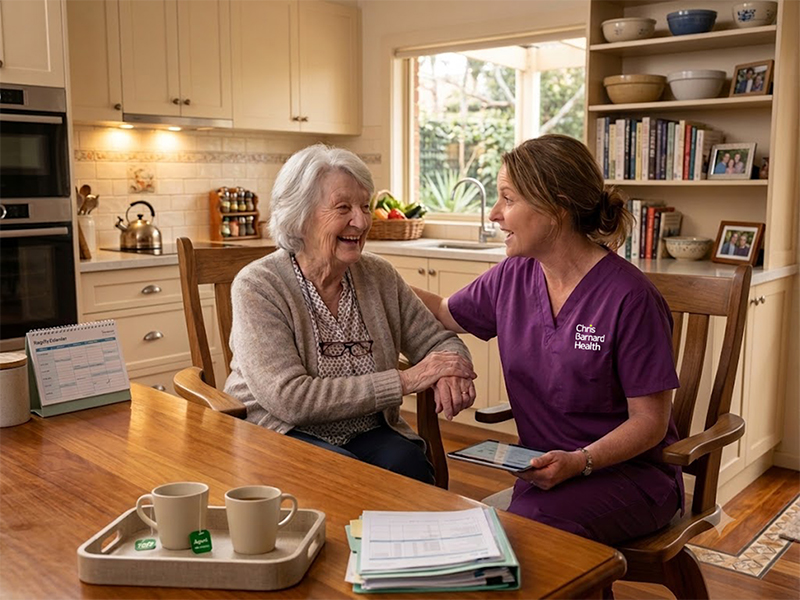
The signs are often small. A missed meal, an unanswered call, a bruise they cannot explain. Here is what to watch for and what it might mean.
You walked into their kitchen and something felt off. Less food in the fridge. A bill unopened by the phone. You told yourself it was nothing. You told yourself everyone has weeks like that. But you are here now, reading this. And that means part of you already knows
Changes in personal care
This is often the first thing families notice, and the hardest to raise. Your parent has always taken pride in how they present themselves. Now something has shifted. Clothes worn two or three days in a row. Hair not washed as often. Weight dropping without explanation. A general sense that the person standing in front of you is not quite the person you are used to.
These changes do not happen because your parent has stopped caring. They happen because the daily tasks most of us take for granted, showering, dressing, standing long enough to prepare a meal, have become quietly exhausting.
Changes around the house
The house tells a story when the person living in it will not. Expired food pushed to the back of the fridge. Dishes left longer than they used to be. Laundry piling up. The garden growing over. Lightbulbs that have not been replaced. Letters unopened. Bins not taken out.
Individually, none of these things feel urgent. Together, they paint a picture of someone whose world is slowly contracting, not by choice, but by difficulty.
Changes in behaviour
Your mum used to call every Sunday. Now it is every other week, and the conversations are shorter. Your dad used to meet his mates for coffee on Thursdays. He has stopped going but cannot quite explain why.
Missed appointments. Confusion about what day it is. Repeating things they already told you. Forgetting names they have known for decades. Withdrawing from the activities and people that used to bring them joy.
Social withdrawal is not just loneliness, though loneliness is serious enough. In older Australians, isolation accelerates cognitive decline, deepens depression, and increases the risk of hospitalisation. When someone pulls away from the world, it is rarely because they want to. It is usually because something is making it harder to stay in it.
Changes in safety
This is the one that keeps adult children awake at night. A fall. A bruise they cannot explain. The stove left on. The front door left unlocked. Driving when they probably should not be. Getting lost on a route they have driven for thirty years.
Falls are the leading cause of injury hospitalisation in older Australians. One fall does not just cause injury, it causes fear. And fear causes inactivity. And inactivity causes weakness. And weakness causes another fall. The cycle, once it starts, accelerates.
If your parent has fallen, even once, even if they say they are fine, it is worth paying attention.
What these signs mean, and what they do not
Here is the part that matters most. Noticing these changes does not mean your parent cannot live at home. It does not mean they need to move into a facility. It does not mean their independence is over.
It means they might benefit from some support. And that is a very different thing.
Home care is not someone taking over your parent’s life. In most cases, it starts with a support worker visiting a few times a week, helping with showering, meals, cleaning, or just being there so your parent is not alone all day. It sits alongside their life. It fills the gaps without replacing what is already there.
At Chris Barnard Health, we have been doing this since 2010, first as a nursing agency, now as an approved home care provider across Melbourne, regional Victoria, and Tasmania. Our team includes more than 1,000 healthcare professionals, and our workforce is built specifically for aged care. That matters because when your parent accepts help, the person who walks through their door needs to be someone trained, consistent, and genuinely suited to them. Workforce depth is what makes that possible, not just once, but every visit.
If you are noticing changes and are not sure what they mean, you do not have to figure it out alone. Call us on 1300 602 469. No pressure, no commitment, just a conversation about what you are seeing and what might help. It is what Melbourne’s leading and largest aged care specific workforce was built for. So your family never has to face this alone.