Why Aged Care Specific Experience Matters
June 10, 2026
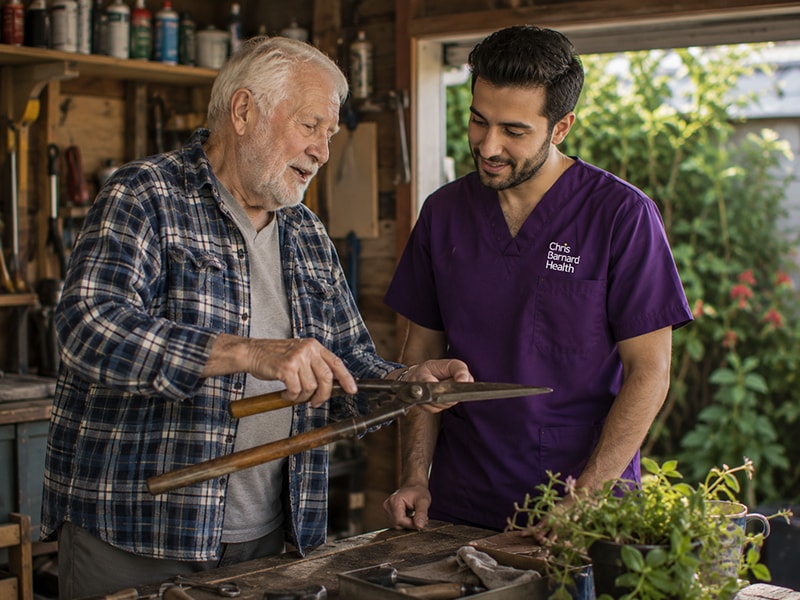
Not all care workers are aged care workers. The difference affects your parent's safety, dignity, and the quality of every home care visit.
Would you send a plumber to fix your wiring? Then why would you send a generic care worker to look after your elderly parent?
Not all care workers are aged care workers
There is a difference between someone trained in general healthcare and someone trained specifically for aged care. It is the difference between knowing how to assist with personal care and knowing how to assist an 85 year old with dementia who does not understand why a stranger is in their bathroom.
Aged care specific experience means understanding the physical, emotional, and cognitive realities of ageing. It means recognising when confusion is a sign of infection, not just a bad day. It means understanding that dignity is not a word on a care plan but the most important thing your parent has left.
What aged care training covers
Manual handling. Moving and transferring older Australians safely without causing injury to the home care client or the care worker.
Dementia awareness. Communication strategies and how to provide home care support to someone whose reality is shifting. Not something you learn in a generic home care course.
Falls prevention. Recognising risk factors and knowing when a near miss needs reporting. Falls are the leading cause of injury hospitalisation in older Australians.
Medication awareness. Watching for side effects, knowing when to escalate to nursing care at home staff, and managing medication prompting safely during elderly care visits.
Dignity. Aged care is intimate. Showering, dressing, toileting. Aged care specific training teaches support workers how to deliver personal care in a way that protects your parent’s independence, privacy, and wellbeing at every home care visit.
Why this matters for your parent
Your parent is not a patient. They are a person in their own home who needs help with things that used to be easy. An aged care specific professional knows that rushing an elderly parent causes anxiety. They know a quiet conversation over breakfast matters as much as the shower. They know that consistency and continuity of care build the trust that makes home care work.
A generic home care worker completes the task. An aged care specific professional completes the relationship.
Why most home care providers struggle with this
Recruiting and retaining aged care specific workers is harder than hiring generalists. Many home care providers across Melbourne and regional Victoria take shortcuts, hiring whoever is available and hoping experience fills the gaps.
It does not. The gaps show up in home care visits where your elderly parent feels rushed or unsafe. They show up in medication errors and falls that could have been prevented.
Workforce depth matters here. A home care provider with a large aged care specific workforce can invest in proper aged care training and supervision because the scale justifies it.
How Chris Barnard Health does it
We started as a specialist nursing agency in 2010 recruiting aged care professionals for hospitals and aged care facilities across Melbourne, regional Victoria, and Tasmania. Aged care specific recruitment is not something we added later. It is how we began.
As an approved aged care provider and registered NDIS provider delivering home care services and Support at Home, every care worker in our team of more than 1,000 aged care professionals is recruited, screened, trained, and supervised specifically for aged care. That is why carer matching works, home care visits are reliable, and continuity of care is possible for older Australians and seniors across Melbourne.
Call 1300 602 469. It is what Melbourne’s leading and largest aged care specific workforce was built for. So the person caring for your parent actually understands what your parent needs.