What Type of Massage?
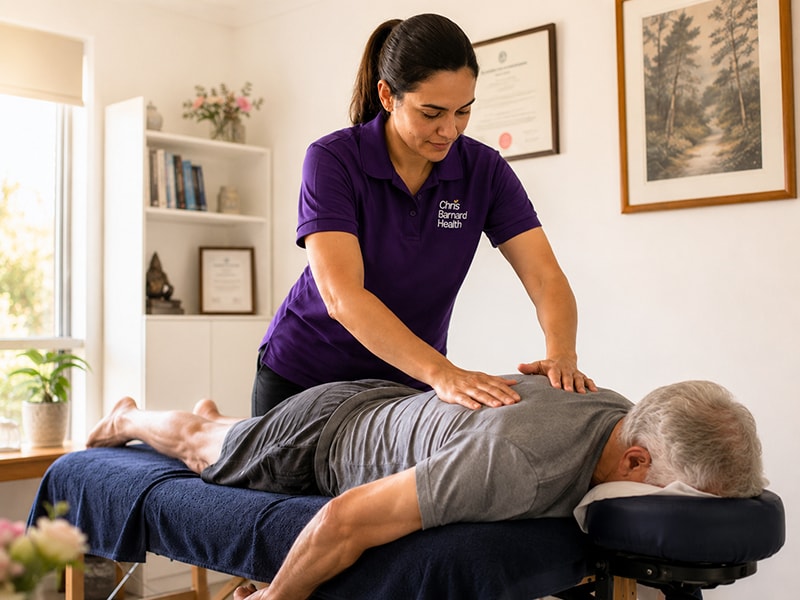
Massage, in the context of Support at Home, refers to remedial or therapeutic massage delivered by a qualified massage therapist to address a genuine health or mobility need. Under the Support at Home program, Massage sits within the Therapeutic Services category, alongside services like Acupuncture, Chiropractic Care, Osteopathy, and other specialised allied therapies.
A therapeutic massage session might focus on:
- Muscle tension and stiffness, easing tightness that affects movement or comfort
- Circulation support, particularly helpful for people with reduced mobility
- Pain management, working alongside other treatments for conditions like arthritis
- Post-injury or post-surgical recovery, supporting the broader rehabilitation process
- Supporting mobility goals, often in coordination with Physiotherapy or Exercise Physiology
It’s worth being clear about what this service isn’t. This is genuine, clinically purposeful massage therapy, not aromatherapy, spa treatments, or relaxation massage. Support at Home funding is intended for services with a real therapeutic benefit, so your Care Partner can help confirm whether a specific type of massage fits within your Care Plan.
What Does it Cost?
Massage sits within the Therapeutic Services category, part of the broader Independence group of supports. This means a contribution generally applies, typically somewhere between 5% and 50%, based on your income and assets, similar to other Independence services like Social Support and Respite Care. Your Care Partner can confirm exactly what applies to your situation and help you plan Massage into your quarterly budget sensibly.
Not yet receiving government funding, or want additional sessions beyond what your care plan covers? Privately funded Massage is also available, so therapeutic relief isn’t limited by funding timelines.
Why Therapeutic Massage Matters More Than People Think?
Chronic muscle tension and stiffness don’t just cause discomfort, they can genuinely limit mobility, disrupt sleep, and make everyday movement feel harder than it should. For people managing conditions like arthritis, or recovering from surgery or injury, therapeutic massage can be a meaningful part of a broader plan to stay mobile and comfortable.
Many clients tell us the value isn’t just physical either. A dedicated session of hands-on, therapeutic care, done properly and with a clear purpose, often leaves them feeling genuinely looked after, not just treated.
What Makes Our Massage Service Different?
Delivered With Genuine Clinical Purpose
We work only with qualified massage therapists who understand the difference between relaxation treatments and real therapeutic care. Every session is grounded in an actual health or mobility goal, not a generic wellness add-on.
Coordinated With Your Broader Care Plan
Massage doesn’t happen in isolation. Where relevant, your therapist’s observations are shared with your Care Partner and wider care team, particularly if it’s part of a broader plan involving Physiotherapy, Occupational Therapy, or pain management, so your care stays joined up rather than fragmented.
Your Rights, Our Commitment
Massage, like every service we provide, is guided by your rights under the Aged Care Act 2024. This includes the right to:
- Make decisions about your care and treatment
- Be treated with dignity and respect throughout every session
- Be involved in planning your services, including who delivers them
- Speak up if something isn’t working for you, with the assurance that your feedback will be taken seriously
If something ever goes wrong, we respond using a structured, best-practice approach called open disclosure, informing you promptly, listening to your observations, and working with you to put things right.
Who Can Access the Massage Service?
Massage is available to eligible Support at Home participants, generally people aged 65 or over (50 or over for First Nations people) who need coordinated support to remain safely and independently at home, or younger people with a disability, dementia, or other care needs not met through other specialist services. It’s often included as part of a broader plan alongside Physiotherapy or Occupational Therapy, particularly for
Why Choose Chris Barnard Health for Massage?
- Real therapeutic purpose, not a generic add-on. Every session is delivered by a qualified massage therapist with a genuine health or mobility goal in mind, never framed as a relaxation or beauty treatment.
- Joined-up care, not a standalone appointment. Where relevant, your therapist’s observations feed into your wider Care Plan, so massage works alongside your other services rather than sitting apart from them.
Frequently Asked Questions
Need More Information on Support at Home?
Trusted by care providers across Australia